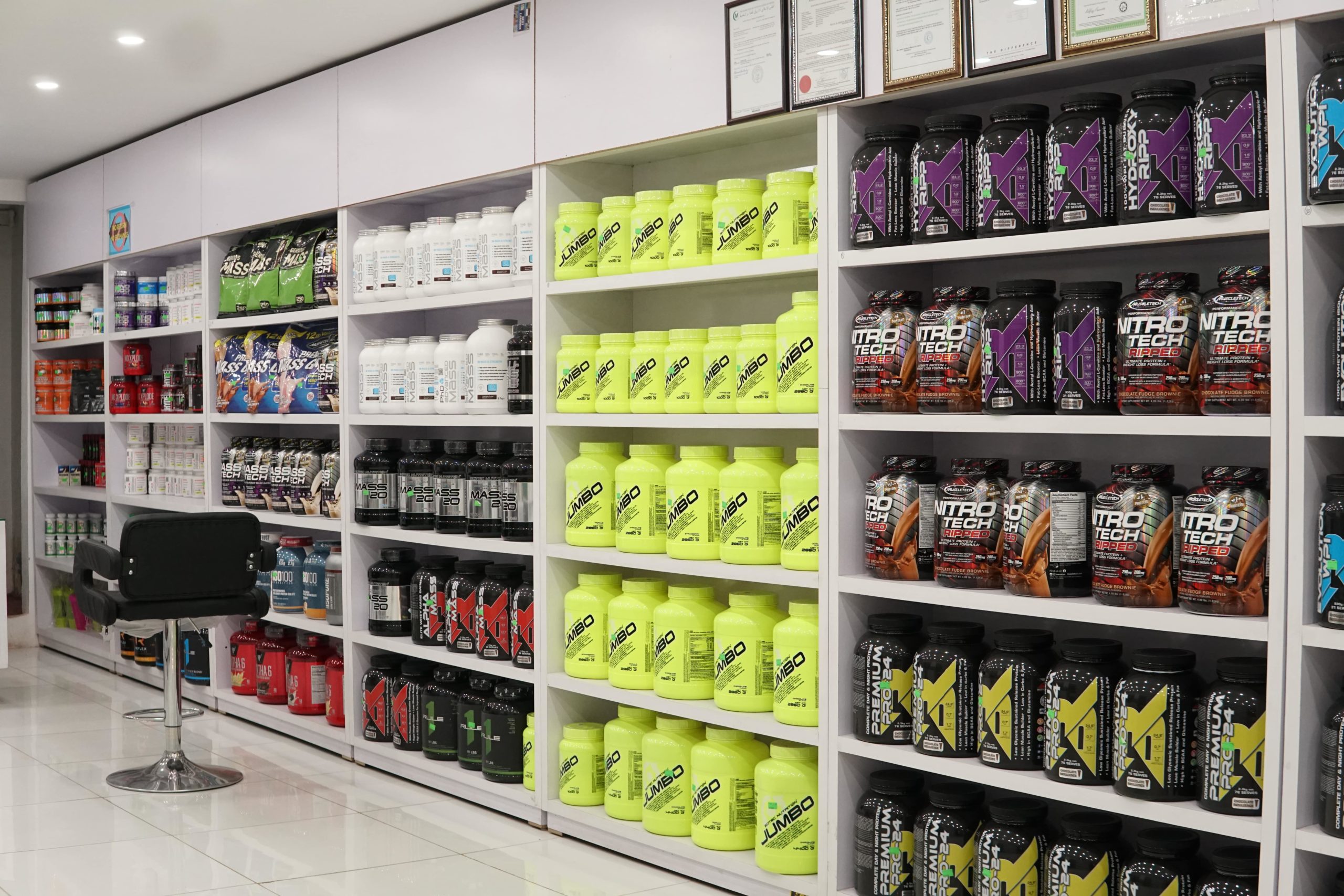
I’ve spent more than ten years as an industry professional working inside a Supplements Store Parker locals come to after online orders and guesswork haven’t paid off. From my side of the counter, I’ve learned that the value of a local store isn’t the rows of tubs and bottles—it’s the conversations that happen when someone finally admits, “This isn’t working, and I don’t know why.” That moment is where real progress usually starts.
 When I first began working in supplements, I thought my job was to know products inside and out. I memorized ingredient panels, kept up with brand launches, and could quote serving sizes without looking. That confidence took a hit early on when a customer last spring came in frustrated about constant fatigue despite taking multiple energy and wellness supplements. As we talked, it became clear he was stacking products with overlapping stimulants and barely sleeping. We didn’t add anything new. We removed two items and adjusted timing on one. A few weeks later, he stopped by to tell me his energy felt steadier than it had in years. That experience changed how I approach every recommendation.
Working in Parker gives you a front-row seat to patterns that don’t show up in national trends. I see waves of joint support questions as the weather cools, followed by hydration and cramp issues once outdoor activity picks up. One year, I noticed several customers blaming magnesium for stomach discomfort. After digging a little, the common thread was dosage and timing, not the supplement itself. Small adjustments—lower doses taken with food—resolved the issue. These are the kinds of details you only learn after seeing the same problem play out again and again.
A common mistake I encounter is people trying to fix everything at once. Someone walks in with shoulder pain, poor sleep, and low motivation, and they want a product for each issue. I usually slow that process down. I remember a customer who had spent several thousand dollars over time chasing solutions online, only to feel worse. We picked one priority, addressed sleep first, and let everything else wait. Once rest improved, half the other complaints faded on their own. Supplements can help, but they don’t work well in chaos.
Protein choices are another area where experience matters. On paper, many options look similar. In practice, digestion separates them quickly. I’ve watched customers push through bloating and discomfort because they assumed that was normal. It isn’t. A construction worker once told me switching to a simpler protein made his mornings easier and his workouts better, even though the label numbers were lower. His body cared more about tolerance than totals.
I also believe part of my role is saying no. I regularly advise against extreme fat burners, hormone boosters for younger customers, and overly complex stacks. Not because supplements are useless, but because misuse creates more problems than it solves. I’ve found that the best results usually come from fewer products used consistently, not from chasing the newest release.
After a decade in this field, I measure success differently. It’s not about selling the most popular item that week. It’s about seeing someone come back months later needing less help, not more. Better sleep, fewer aches, energy that lasts through the day—those outcomes don’t come from hype. They come from experience, honest conversations, and knowing that sometimes the best thing you can do in a supplements store is leave with fewer bottles than you planned.