An exterminator plays a crucial role in maintaining clean and healthy environments by controlling and eliminating pests. Whether in residential homes, commercial buildings, or industrial settings, an Exterminator helps prevent infestations that can cause significant damage and health risks. Pests like rodents, insects, and other unwanted creatures can spread disease, damage property, and create unsanitary conditions, making the role of an exterminator essential in modern pest management.
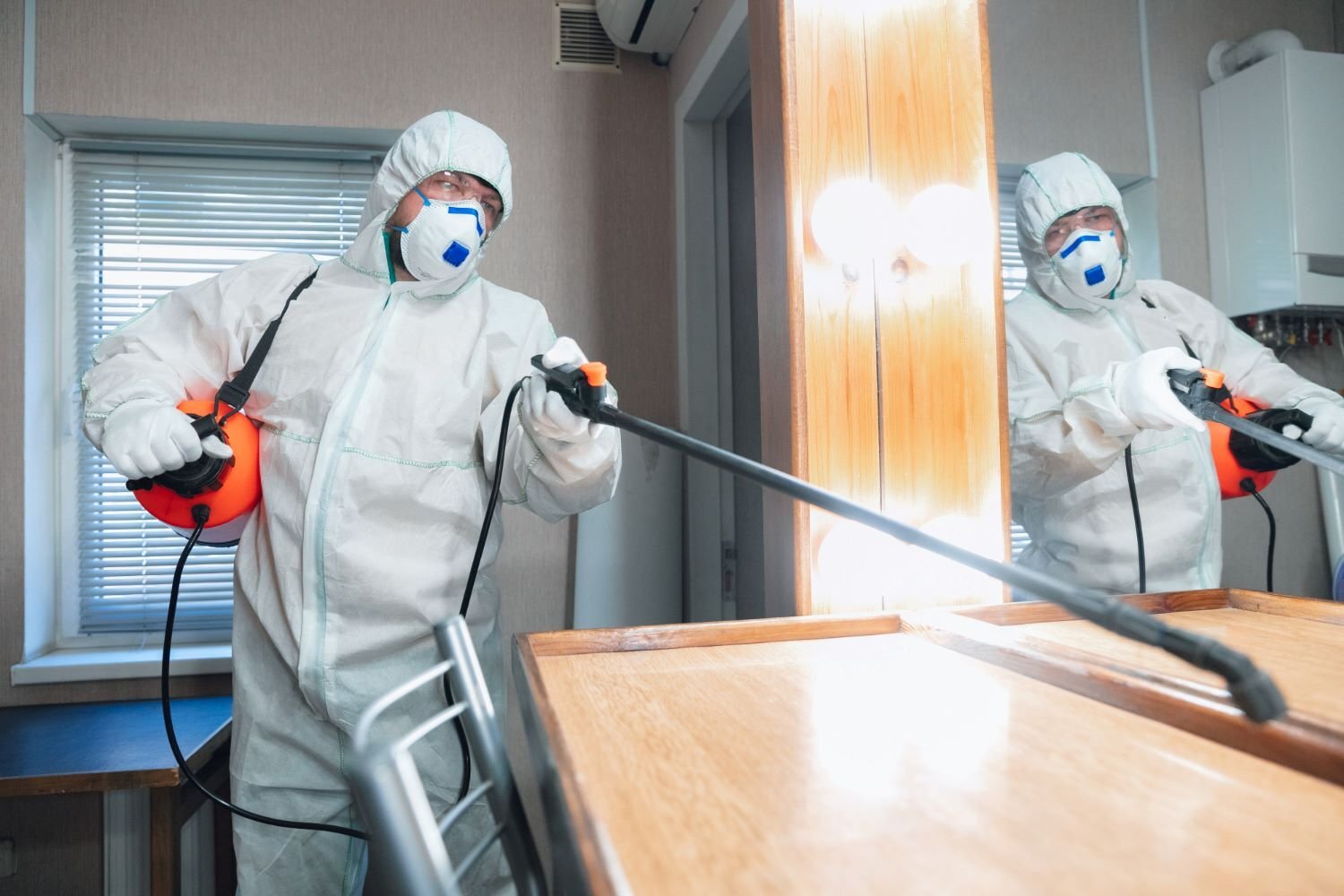
One of the primary responsibilities of an exterminator is to inspect the property thoroughly to identify signs of pest activity. By understanding the type of pest and the extent of the infestation, an exterminator can develop an effective plan to eradicate the problem. This process involves identifying entry points, nesting sites, and sources of food or water that may attract pests. A skilled exterminator uses this information to apply targeted treatments that minimize harm to humans and pets while maximizing pest control.
When it comes to pest removal, an exterminator employs a variety of methods depending on the specific pest and the severity of the infestation. Chemical treatments are common, but many exterminators also use non-chemical methods such as traps, baits, and exclusion techniques. Modern exterminators often combine traditional practices with environmentally friendly solutions to reduce chemical exposure and support sustainable pest management. This approach helps protect the environment while ensuring the pest problem is fully resolved.
Hiring a professional exterminator offers several benefits over attempting do-it-yourself pest control methods. An exterminator brings specialized knowledge, experience, and tools to handle infestations safely and efficiently. DIY methods may provide temporary relief but often fail to address the root cause, allowing pests to return. In contrast, an exterminator can provide long-term solutions by identifying vulnerabilities and recommending preventive measures to keep pests from coming back.
One of the most common pests exterminators deal with includes rodents such as rats and mice. These creatures can cause serious property damage by gnawing on wires, insulation, and wood, as well as contaminating food supplies. An exterminator understands rodent behavior and habits, which allows for strategic placement of traps and baits. Effective rodent control by an exterminator helps reduce the risk of structural damage and protects the health of occupants from diseases carried by rodents.
Termites represent another challenging pest that exterminators frequently confront. Known for silently damaging wood structures over time, termites can cause costly repairs if not addressed promptly. An exterminator conducts detailed inspections to detect termite activity and uses specialized treatments to eliminate colonies. The expertise of an exterminator in managing termite infestations is critical for protecting buildings and preserving property value.
In addition to common pests like rodents and termites, an exterminator often handles insect infestations such as ants, cockroaches, bedbugs, and spiders. These insects can be nuisances and, in some cases, pose health threats through bites or the spread of bacteria. An exterminator applies targeted insecticides and employs integrated pest management techniques to control these pests effectively. Regular treatments by an exterminator can prevent infestations from escalating and maintain a pest-free environment.
Safety is a key concern when dealing with pest control, and an exterminator is trained to handle chemicals and equipment properly to minimize risks. Exterminators follow strict guidelines and regulations to ensure their work does not harm people, pets, or the environment. By hiring an exterminator, property owners can have peace of mind knowing that pest control measures are being conducted responsibly and with professional oversight.
In many cases, an exterminator also provides advice and recommendations on preventing future pest problems. This might include suggestions on sealing entry points, proper sanitation practices, and modifications to landscaping or storage areas. By implementing the advice of an exterminator, property owners can reduce the likelihood of reinfestation and maintain a clean, healthy space. Prevention is often the most effective and cost-efficient way to deal with pests, and an exterminator’s guidance is invaluable in this regard.
The process of hiring an exterminator typically starts with a consultation or inspection to assess the pest situation. Following this, the exterminator will propose a treatment plan tailored to the specific needs of the property. Most exterminators offer follow-up visits to ensure the pest problem is fully resolved and to monitor for any signs of return. This ongoing relationship between the exterminator and the client helps maintain pest control over time and ensures a swift response if new issues arise.
Overall, the role of an exterminator is vital in protecting homes and businesses from the damage and health risks caused by pests. With specialized training, knowledge, and tools, an exterminator effectively eliminates infestations and helps prevent future problems. Whether dealing with rodents, termites, or insects, an exterminator provides professional pest control services that contribute to safer, cleaner living and working environments.